



April 26, 2024, 6:08am Clark County News
Clark County’s criminal justice hub in downtown Vancouver is slated to look different by the end of 2025 as the county prepares for growth in the court system. Read story
April 26, 2024, 6:06am Business Subscriber Exclusive
Maritime safety isn’t something most people thought much about before a massive cargo ship smashed into the Francis Scott Key Bridge in Baltimore, Md., and killed six people one month… Read story
April 26, 2024, 6:02am Clark County News Updated 2 hours ago
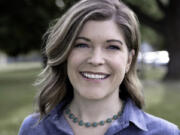
Marla Keethler, mayor of White Salmon and a career sports producer, announced her candidacy for state Senate in Washington’s newly redrawn 17th Legislative District on Thursday. Read story
April 25, 2024, 7:30pm Clark County News Updated 14 hours ago
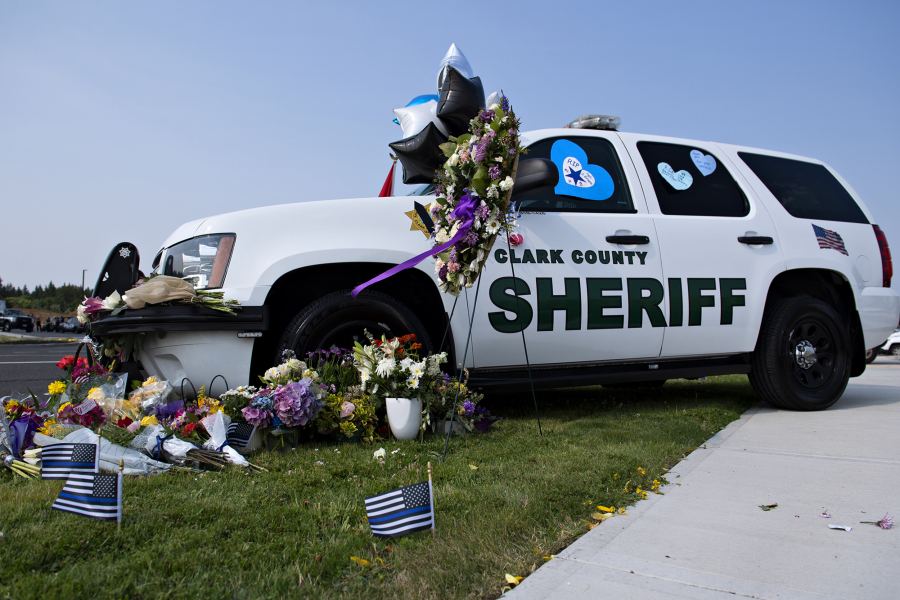
A Vancouver man was sentenced April 18 to more than 17 years in prison for his role in helping to sell stolen firearms in the trafficking scheme that led to the 2021 fatal shooting of Clark County sheriff’s Detective Jeremy Brown. Read story

April 25, 2024, 7:23pm Business Updated 13 hours ago
Matt Gohlke, the co-owner and general manager of Music World in Hazel Dell, hardly thought about how he disposed of his instruments’ old strings until recently. Read story
April 25, 2024, 3:18pm Clark County Health Updated 17 hours ago
Becky Berhardt vividly remembers bawling on the phone years ago as she spoke with her son, who was struggling with homelessness and addiction. Read story
April 25, 2024, 12:48pm Clark County News Updated 18 hours ago
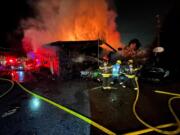
One person was injured early Thursday morning while trying to rescue pets from a two-alarm fire in a Washougal apartment building. Read story
April 25, 2024, 6:31am Clark County Life Free
Art at the CAVE, 108 E Evergreen Blvd., Vancouver, seeks artists for its June exhibit, “The Human Race.” Two-dimensional, sculptural and video art up to three minutes long will be considered. The show centers on the human relation to the natural world. Art will be selected by jury. The deadline… Read story

April 25, 2024, 6:09am Clark County News Updated 1 day ago
Vancouver resident Wil Fuentes announced Tuesday he will run for the Clark County Council District 3 seat in the upcoming 2024 general election. The seat is currently held by Karen Bowerman, who has not yet indicated whether she plans to run for reelection. Read story
April 25, 2024, 6:07am Clark County News
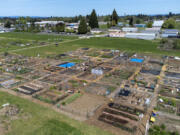
Clark County’s agricultural gem, the 78th Street Heritage Farm, could operate more like an agriculturally focused community park in the future. Read story